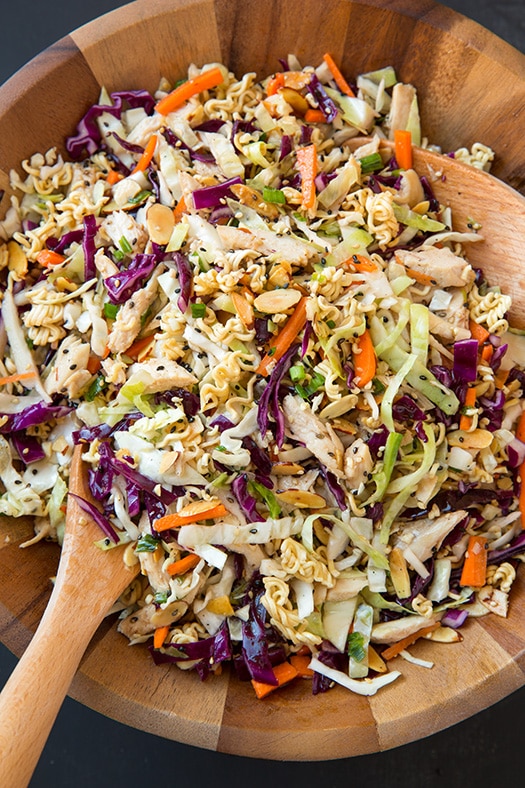
Mastering the Flavorful Asian Ramen Chicken Salad Dressing
The Asian Ramen Chicken Chopped Salad isn't just a meal; it's a culinary experience that has graced countless potlucks and dinner tables, celebrated for its irresistible crunch, vibrant freshness, and deeply satisfying flavors. While the combination of tender chicken, crisp vegetables, and crunchy ramen noodles creates an undeniable allure, it's often the *dressing* that truly elevates this salad from good to unforgettable. A perfectly balanced dressing doesn't just coat the ingredients; it infuses every bite with a symphony of tangy, sweet, savory, and umami notes, transforming simple components into a cohesive, tantalizing dish. This article delves into the art of crafting the ultimate dressing for your Asian Ramen Chicken Chopped Salad, exploring both classic profiles and innovative twists. We'll uncover the secrets behind a dressing that's not only delicious but also enhances the texture and freshness of the entire salad, ensuring it becomes a perennial favorite in your recipe collection.The Foundation of Flavor: Crafting Your Perfect Asian Ramen Chopped Salad Base
Before we dive into the liquid gold that is the dressing, let's briefly consider the components that make up the ideal Asian Ramen Chicken Chopped Salad. A strong foundation ensures the dressing has a magnificent canvas to shine upon.Crunchy Vegetables: The Heart of Freshness
The essence of a truly great chopped salad lies in its textural variety. Forget pre-packaged mixes that often skimp on the good stuff; freshly chopped vegetables make all the difference.- Cabbage Duo: A blend of finely sliced green and red cabbage provides not only a satisfying crunch but also a beautiful color contrast and a subtle peppery bite. The red cabbage, in particular, offers a deeper flavor and vibrant hue that pre-made coleslaw mixes often lack.
- Carrots: Matchstick carrots add a touch of sweetness and another layer of crisp texture.
- Romaine Lettuce: Shredded romaine lettuce offers a lighter, fresher element, contributing volume and a delicate crispness that balances the denser cabbage.
- Optional Additions: For an even richer experience, consider incorporating thinly sliced bell peppers, crisp cucumbers, or even edamame for an extra boost of protein and vibrant green.
The Star Protein: Perfectly Cooked Chicken
To transform this salad into a hearty main course, tender, flavorful chicken is essential. While chicken breast can be used, many prefer the richer flavor and juiciness of boneless chicken thighs.For optimal flavor, gently season chicken thighs with a blend of cracked pepper, sea salt, onion powder, and garlic powder. Sear them in a heated carbon steel pan for about 8 to 10 minutes per side, or until they're golden brown and cooked through. Chicken thighs, with their higher fat content, tend to stay more moist and develop a fantastic caramelized crust. Once cooked, let them rest before slicing or shredding them into bite-sized pieces for easy tossing. Alternatively, for a quicker option, rotisserie chicken can be a fantastic shortcut, offering tender, pre-cooked protein.
This salad, especially when loaded with protein, makes an excellent Dinner Entree: Healthy Asian Ramen Chicken Chopped Salad, perfect for busy weeknights.
The Signature Crunch: Ramen Noodles & Beyond
The ramen noodles are what give this salad its iconic name and unique texture.- Ramen Noodles: Boil your ramen noodles (without the seasoning packet, save it for something else!) for about 4 minutes until they reach your preferred texture – al dente is often best for salads. Drain them thoroughly and roughly chop them into shorter, more manageable pieces.
- Toasted Ramen & Almonds: For an additional layer of irresistible crunch and a nutty depth of flavor, toast some crushed ramen noodles and slivered almonds. Instead of butter, which can add unnecessary fat given that ramen is already fried, simply toast them in a dry pan or spread them on a baking sheet and bake in a moderate oven until lightly golden and aromatic. This simple step elevates the salad significantly.
Unlocking the Secret: Mastering the Asian Ramen Chicken Salad Dressing
Now, for the main event: the dressing. This is where the magic happens, unifying all the diverse textures and flavors into a harmonious whole. While a "perfectly seasoned" and "tangy" profile is the goal, there are wonderful variations to explore.The Classic Asian-Inspired Dressing: A Symphony of Sweet, Sour, and Umami
The most beloved Asian Ramen Chicken Salad dressings typically strike a delicate balance between a few key flavor profiles:- Soy Sauce: Provides the essential umami and saltiness. Opt for low-sodium to control the overall salt level, or tamari for a gluten-free option.
- Rice Vinegar: Delivers that signature tang and bright acidity, cutting through the richness of the chicken and refreshing the palate.
- Sweetener: A touch of sugar, honey, or maple syrup balances the acidity and salt, adding complexity without making the dressing overtly sweet.
- Sesame Oil: This is a crucial ingredient for depth of flavor. A small amount of toasted sesame oil introduces a wonderfully nutty, aromatic quality that is quintessential to Asian cuisine. Be mindful, as a little goes a long way.
- Aromatics: Freshly minced garlic and grated ginger lend a pungent, zesty kick that brightens the entire dressing.
- Neutral Oil: A base oil like canola, grapeseed, or a light olive oil helps to emulsify the dressing and carry the flavors.
Crafting the Classic: To make this dressing, simply whisk together soy sauce, rice vinegar, your chosen sweetener, sesame oil, minced garlic, grated ginger, and your neutral oil until well combined and slightly emulsified. Taste and adjust to your preference – perhaps a little more tang, a touch more sweetness, or an extra dash of sesame oil for more depth.
Exploring a Zesty Variation: The Dijon Anchovy Dressing
- Dijon Mustard: Acts as an emulsifier and adds a sharp, piquant flavor.
- Fresh Lemon Juice: Provides a bright, clean acidity distinct from rice vinegar.
- Minced Anchovies: Don't be deterred! Anchovies, when finely minced and incorporated into a dressing, dissolve and impart an incredible depth of savory, umami flavor without making the dressing taste "fishy." They are a secret weapon for adding richness.
- Sea Salt & Pepper: Essential seasoning.
- Olive Oil: A robust olive oil complements the other strong flavors in this particular dressing.
Crafting the Dijon Anchovy Dressing: Combine Dijon mustard, fresh lemon juice, finely minced anchovies, sea salt, and pepper. Gradually whisk in olive oil until the mixture is beautifully emulsified into a creamy consistency. This dressing, while different from a typical Asian profile, offers a gourmet twist that adventurous palates will appreciate, providing a distinct umami note that stands up wonderfully to chicken and crunchy vegetables.
Customization and Expert Tips for Your Dressing
The beauty of homemade dressing is the ability to tailor it precisely to your taste.- Balancing Act: Always taste and adjust. The perfect dressing strikes a balance between sweet, sour, salty, and umami. If it's too tart, add a pinch more sugar. Too bland, a dash more soy sauce or salt.
- Heat It Up: For those who love a little kick, a dash of Sriracha, a pinch of red pepper flakes, or a bit of chili garlic sauce can transform the dressing.
- Creamy Texture: For a slightly creamier dressing, a tablespoon of mayonnaise or Greek yogurt can be whisked in, adding richness and body.
- Herbal Freshness: Fresh cilantro or green onions, finely chopped and added to the dressing, can contribute another layer of aroma and brightness.
- Emulsification Mastery: When combining oil and vinegar, whisk vigorously or use an immersion blender for a smoother, more stable emulsion. Alternatively, shaking the ingredients in a jar with a tight-fitting lid works wonders!
- Make Ahead: Dressings often taste even better after sitting for an hour or two, allowing the flavors to meld. Store them in an airtight container in the refrigerator.
Perfecting Your Asian Ramen Chicken Salad Experience
Once your ingredients are prepped and your dressing is perfected, the final steps are all about intelligent assembly and presentation.The Art of Assembly: Timing is Key
To maintain the integrity of your crunchy ingredients, especially the ramen noodles and toasted almonds, it's crucial to dress the salad just before serving.In a large mixing bowl, combine your chopped vegetables, chicken, and the prepared ramen and toasted almonds. Pour the dressing over the salad and gently toss to ensure every ingredient is evenly coated. Over-dressing can lead to a soggy salad, so start with about two-thirds of the dressing and add more if needed.
Serving and Beyond
This Asian Ramen Chicken Chopped Salad is incredibly versatile. It’s hearty enough to be a standalone main course for lunch or dinner. Its crowd-pleasing nature also makes it an absolute showstopper for potlucks and gatherings. If you're planning for meal prep, keep the dressing separate from the salad components and combine just before eating to preserve the crispness.Don't be afraid to experiment with other protein sources too – grilled shrimp, seared tofu, or even chickpeas can make excellent substitutes, allowing for endless variations to suit different dietary preferences.
